


The real history behind Widow's Bay
The island is fictional. The witch trials, drowned villages, mariner curses, and colonial horrors that haunt it are not. Twenty books, five themes, one reading list for fans who don't want the feeling to end.
"What elevates it to the best new show is how it turns the town's history into its biggest monster."
James Poniewozik, The New York Times · June 10, 2026
The New York Times called Widow's Bay the best new show of the year — a horror-comedy rooted in a question that New England has been living with for four hundred years: is the past a treasure to preserve, or a monster to escape?
For the communities Arcadia Publishing has documented across thousands of local history titles, that question has never been rhetorical. The witch panics happened. The towns were drowned. The ships went down. The dead came back, or people believed they did. Every thread the show pulls exists in the historical record. These are the books that go there.
The supernatural in Widow's Bay isn't imported from somewhere else. The fog, the revenants, the masked murderers who require fire and buckshot to dispatch — New England has its own deep tradition of the undead, the spectral, and the inexplicable. These books collect it.

|
A Guide to Haunted New England Thomas D'Agostino The definitive road trip through New England's supernatural geography — from the White Mountains to the Newport Cliffs, covering all six states and the ghosts that never left. ↳ The fog. The revenants. The sense that Widow's Bay is never alone. |
|
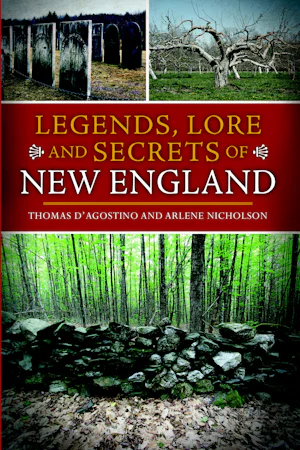
Legends, Lore and Secrets of New England Thomas D'Agostino & Arlene Nicholson Footprints burned into Rhode Island ledge rock. A mischievous specter in a Maine inn. A frozen body on a Connecticut road. New England's best-kept supernatural secrets, catalogued. ↳ The show's matter-of-fact relationship with the impossible. |
|
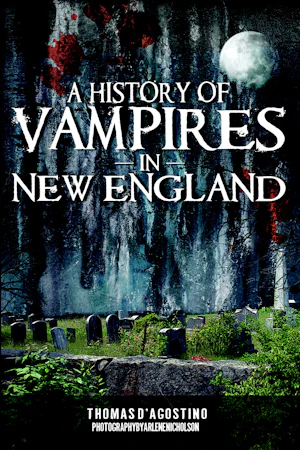
A History of Vampires in New England Thomas D'Agostino Scores of families disinterred their dead in the 18th and 19th centuries, searching for signs of the undead. The word vampire was never spoken. The fear was completely real. ↳ Richard Warren, entombed but undying since the 1700s. |
|
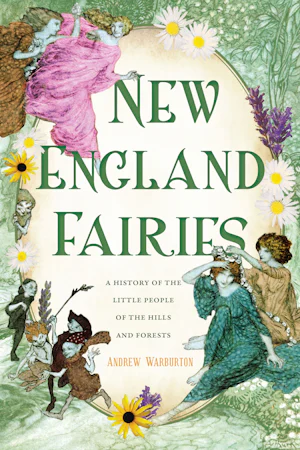
Andrew Warburton Malicious pixies leading people in circles. Elves tormenting farmers. Banshees portending death. The Fair Folk of New England drawn from four centuries of Algonquian and immigrant tradition. ↳ The creatures at the edges of the island no one talks about. |
|
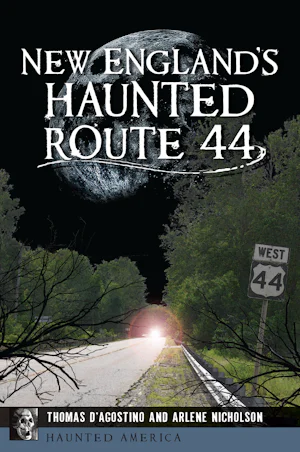
New England's Haunted Route 44 237 miles across Massachusetts, Connecticut, and Rhode Island — through the Bridgewater Triangle, past haunted Plymouth, into the dark forests where UFO sightings and cryptid encounters have surprised travelers for generations. H.P. Lovecraft walked this road. ↳ For fans who want to drive through the same kind of country. |
In Episode 1, the Widow's Bay local historian describes a colonial witch hunt as "a great source of pride — we caught 'em, we burned 'em." The show plays it for dark comedy. The history it's drawing on is documented fact, and it's stranger and more brutal than the show lets on.
|
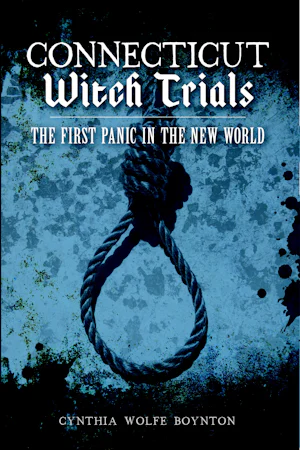
Cynthia Wolfe Boynton The first and most ferocious witch panic in New England, fifty years before Salem. Thirty-four charged. Eleven hanged. Drawn from court records, letters, and diaries — the history that came first. ↳ The colonial history the local historian is so proud of. |
|
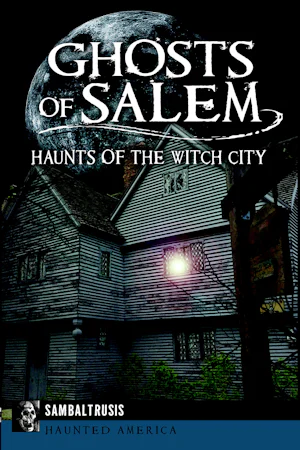
Sam Baltrusis Salem rebuilt its entire identity around its darkest chapter. Inside Howard Street Cemetery, an accused witch still wanders. The city and its past are one — a model for what Widow's Bay is doing, consciously or not. ↳ A town that made its trauma into its brand. |
|
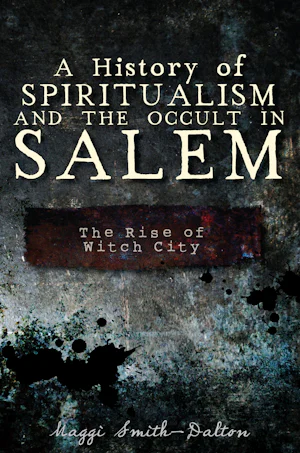
History of Spiritualism and the Occult in Salem Maggi Smith-Dalton After the trials, Salem doubled down. Seers, mediums, and magnetic healers flourished because the city had already accepted that the line between the living and the dead wasn't firm. ↳ What a haunted town becomes when it stops fighting it.
|
|
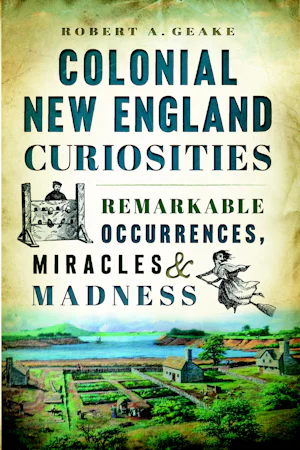
Colonial New England Curiosities Robert A. Geake Through colonial letters and diaries, the oddities and terrors of early New England life: devastating plagues, freak weather, and laws that forced drunkards to wear scarlet letters for a year. The strangeness was always institutional. ↳ The bureaucratic absurdity the show keeps finding in its own history. |
|
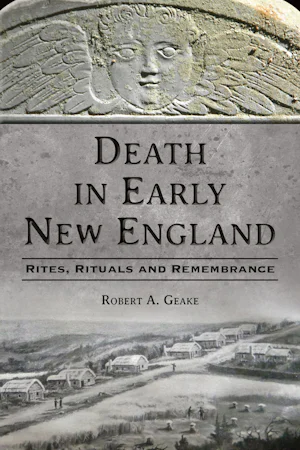
Death came early and often in the first decades of settlement — epidemics erased whole families, infant mortality was constant, and tragedy was just weather. This book traces the ceremonies and burial customs that colonists built around relentless loss. The cultural scaffolding that turned death into ritual, and ritual into legacy. Richard Warren's curse makes more sense after reading this. ↳ The legacy of patriarchs. What they left behind and who inherits it. |
The ocean in Widow's Bay isn't scenery. It's the original adversary — older than the curse, older than the colony, older than Richard Warren's eldritch bargain. The show's island geography means the sea is always the limit of escape. New England mariners understood this more deeply than anyone.
|
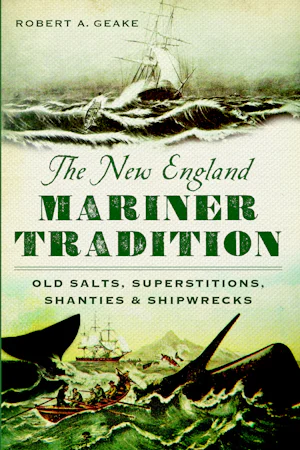
The New England Mariner Tradition Robert A. Geake For three centuries, superstitious mariners offered gin to storms, relied on shore wizards to guide ships through darkness, and built elaborate rituals around the sea's unknowability. This book collects the traditions they used — and the many times those traditions failed. ↳ Wyck Crawford and every mariner who stayed when they should have left. |
|
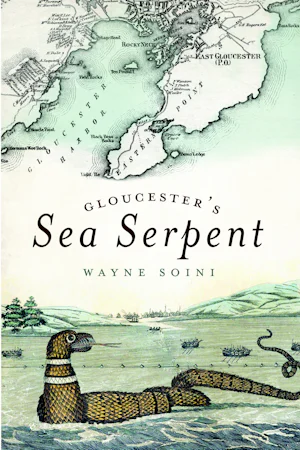
Wayne Soini In 1817, two women spotted something enormous in Gloucester Harbor. It triggered the world's first scientific investigation of a sea monster. The town never entirely recovered. A rigorously documented account of what happens when a community decides to believe. ↳ The thing in the water the town can't agree on.
|
|
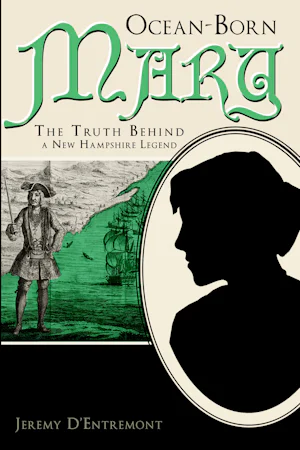
Jeremy D'Entremont In 1720, a pirate captain boarded a ship of Scottish immigrants and made a deal: name the newborn baby Mary and everyone lives. The ship survived. Mary lived a long life in New Hampshire. Her ghost has haunted a house there ever since. ↳ Demonic pacts and what they cost across generations. |
|
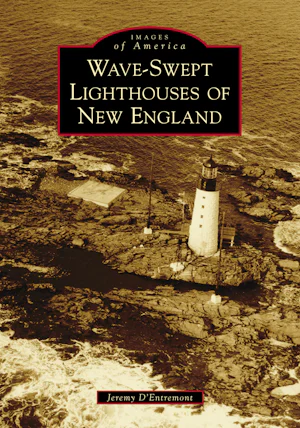
Wave-Swept Lighthouses of New England Jeremy D'Entremont Six lighthouses built on isolated offshore ledges — engineering masterpieces and sites of terrible isolation. The keepers who maintained them for years before automation are the spiritual ancestors of every Widow's Bay mariner who stays behind. ↳ The people who chose to stay on the water's edge.
|
|
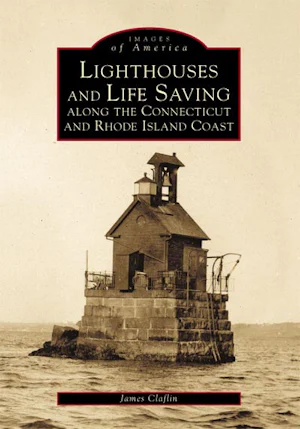
James W. Claflin Thousands of vessels faced New England's rocky coastline. Hundreds were lost. This book combines two centuries of vintage images with firsthand accounts of the lighthouse keepers and life-savers — the men and women who stood between the coast and catastrophe. Includes the Hurricane of 1938, the storm that redrew the shoreline. ↳ The coast as it actually was — dangerous, beautiful, and indifferent. |
Widow's Bay is a town that can't change, can't grow, and — legend has it — can't let anyone born there leave. This is not pure fantasy. New England has dozens of communities that were frozen, drowned, abandoned, or simply left behind. Some were erased deliberately. None of them were forgotten.
|
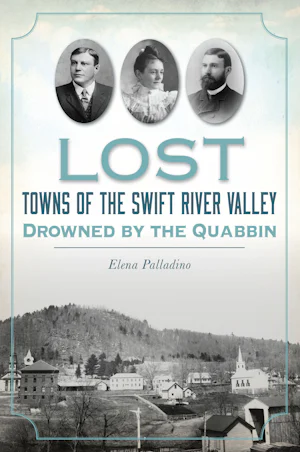
Lost Towns of the Swift River Valley Elena Palladino In 1938, four Massachusetts towns held a farewell ball before being drowned by a reservoir. 412 billion gallons of water erased everything their residents had built over generations. Told through the eyes of three people who stayed until the end. ↳ The price of staying. The impossibility of leaving. Shop Now → |
|
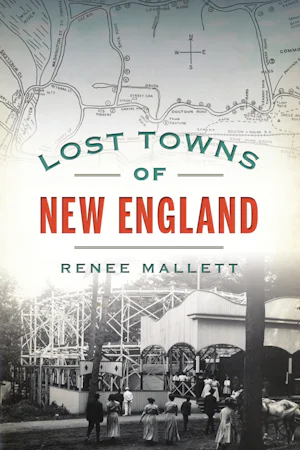
Renee Mallett Ghost towns across all six states — drowned, abandoned, or simply outrun by time. Connecticut's Gay City. New Hampshire's Unity Springs. Massachusetts's Dogtown. Each one a different version of the same question: what does it mean when a place disappears? ↳ The anatomy of a community that couldn't survive. |
|
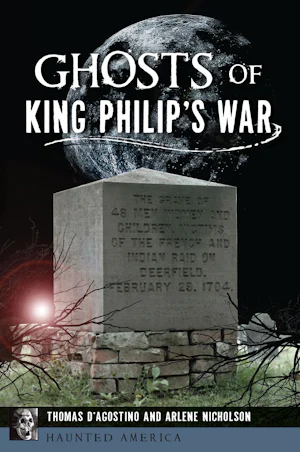
Thomas D'Agostino & Arlene Nicholson King Philip's War left a permanent psychic scar on the New England landscape. The places where the battles and massacres happened are still haunted — by settlers and Indigenous peoples alike. Even the ghost of Metacom roams the places he held dear. ↳ The buried secrets of ancestors, still walking.
|
|
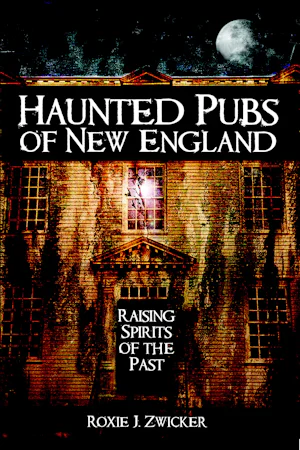
Roxie J. Zwicker Colonial taverns were the nerve centers of New England life — gathering places for patriots, sanctuaries for outlawed organizations, witnesses to ghastly deeds. Through firsthand interviews with owners and employees, this book maps the supernatural lore that accumulated in these oldest of spaces. ↳ The old restaurant. The only place anyone in Widow's Bay goes. |
Widow's Bay is set in a kind of permanent atmospheric dread — unnatural fog, storms, isolation from the mainland. The New England coast has always had its own terrifying weather, and the communities built along it have always lived inside it. These books put you in that landscape.
|
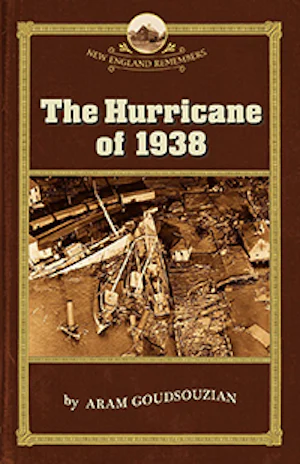
Aram Goudsouzian New England's storm of the century — arriving without warning, redrawing the coastline, destroying entire communities in hours. A gripping account of the day the weather became something else entirely. ↳ What the sea actually does when it decides to. Shop Now → |
|
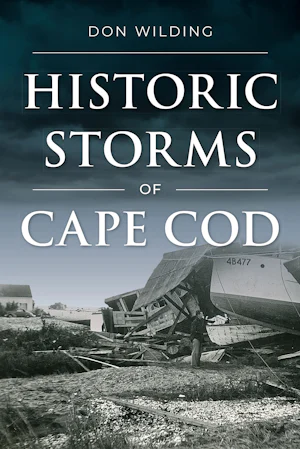
Aram Goudsouzian New England's storm of the century — arriving without warning, redrawing the coastline, destroying entire communities in hours. A gripping account of the day the weather became something else entirely. ↳ What the sea actually does when it decides to. Shop Now → |
|
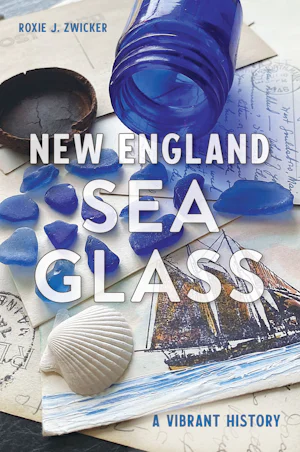
Roxie J. Zwicker Every piece of sea glass is a shard of history — from shipwrecks, storms, and the centuries of human activity along the shore. The beaches of New England are covered in physical evidence of everything the coast has seen. This book reads them. ↳ The residue of history, visible if you know where to look. Shop Now → |
|
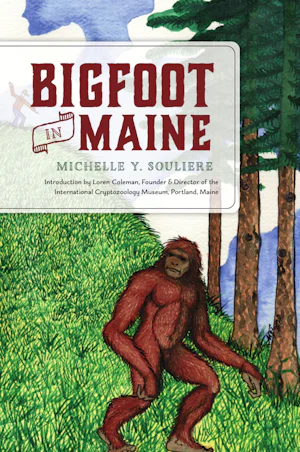
Bigfoot in Maine
Michelle Souliere The dark Maine woods as a setting for something inexplicable — and the ecology and geography that make them the right habitat for a creature that shouldn't exist. Eyewitness accounts, folklore, and the particular dread of old-growth forest. ↳ The thing in the woods you didn't see but heard. Shop Now → |
|
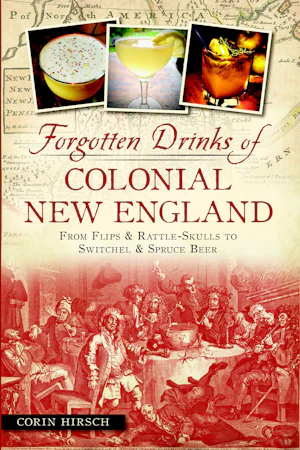
Forgotten Drinks of Colonial New England Corin Hirsch Everyone drank in colonial New England — farmworkers, founding fathers, sometimes children. Tipples at breakfast, lunch, and dinner were the norm. The smoky taverns this produced were the nerve centers of unrest as the Revolution brewed. Includes recipes to revive the originals. ↳ What they drank at Widow's Bay's old restaurant before the espresso machine arrived. Shop Now → |
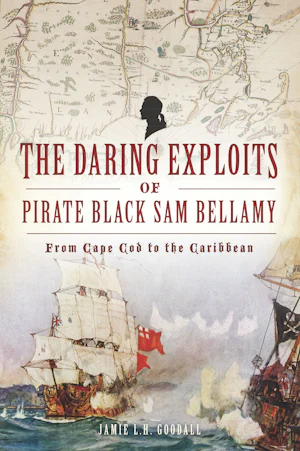 |
The Daring Exploits of Pirate Black Sam Bellamy Jamie L.H. Goodall In 1717, the wealthiest pirate in the Atlantic world went down on the shoals of Cape Cod. Samuel Bellamy — "Black Sam," the Prince of Pirates — had operated off the New England coast and throughout the Caribbean before his ship wrecked in a storm. His wreck wasn't found until 1984. This is the history of piracy and the colonial coast that shaped the world Widow's Bay was built on. ↳ The colonial coast's relationship with outlaws, fortune, and the sea. |